
Most property investors assume long-term leases are the safer, more predictable path. That assumption is worth questioning. Short-term rentals yield between 5% and 12% gross annually, often leaving traditional lease income in the dust. For tourists, the appeal is equally strong: a private apartment in Torremolinos gives you a kitchen, a living room, and a neighborhood feel that no hotel room can replicate. But both groups, investors and visitors alike, need to understand how the STR market actually works before jumping in.
Table of Contents
- What is a short-term rental?
- How short-term rentals work in southern Spain
- Investor advantages and regulatory challenges
- Tourist benefits: Comfort, flexibility, and local experience
- Our take: STRs are a win-win, but only for the informed
- Explore southern Spain short-term rentals and investment opportunities
- Frequently asked questions
Key Takeaways
| Point | Details |
|---|---|
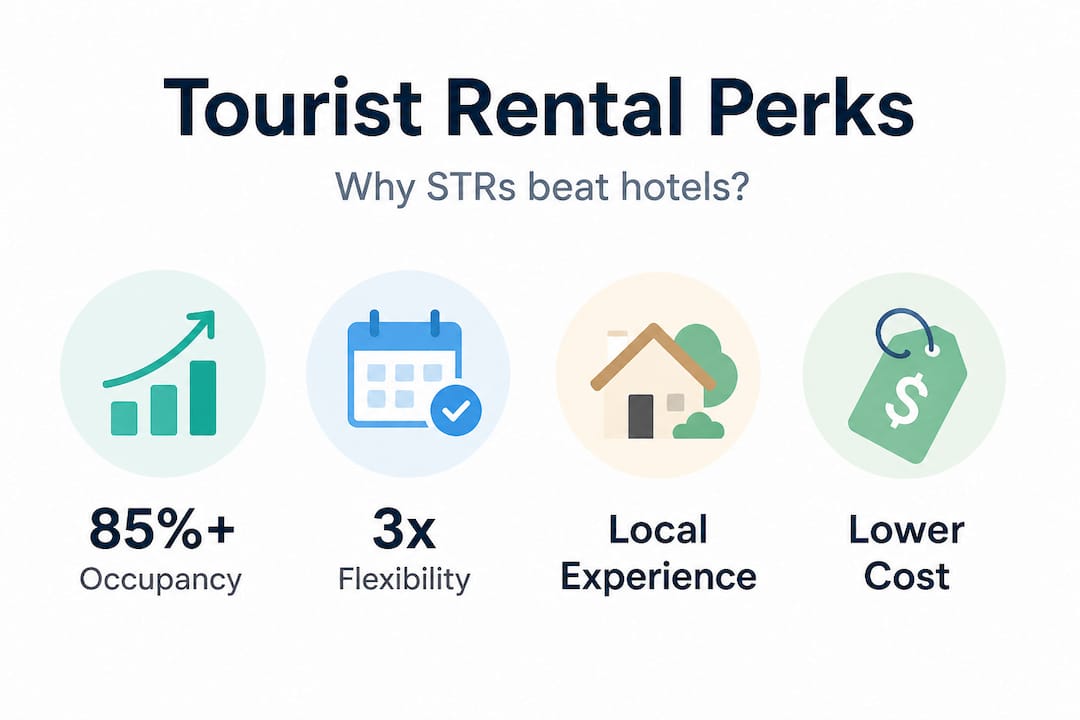
| Higher investor yields | Short-term rentals in Spain can deliver 5-12% gross returns compared to traditional leases. |
| Tourist comfort and flexibility | Visitors enjoy home-like stays and self-catering facilities not found in hotels. |
| Regulations protect local balance | STR rules safeguard tourism’s economic benefits and local housing needs. |
| Peak occupancy periods | Summer sees peak demand, with occupancy often above 85% in southern Spain. |
| Success depends on compliance | Both investors and tourists get the most value from properly licensed, well-managed properties. |
What is a short-term rental?
Short-term rentals, often called STRs, are residential properties rented out for a period of days or weeks rather than months or years. They sit at the intersection of hospitality and real estate, offering guests a more personal and flexible experience while giving property owners a higher earning ceiling than standard leases allow.
The most common formats you’ll encounter in southern Spain include:
- Apartments: The most popular option in urban coastal areas like Torremolinos and Málaga city center
- Holiday villas: Larger properties with private pools, typically rented by families or groups
- Beachfront studios: Compact units that appeal to solo travelers or couples seeking affordable proximity to the coast
- Rooms within occupied homes: Less common but legally distinct under Spanish law
“Tourists gain flexible, home-like stays that traditional hotels simply cannot match in terms of comfort, self-catering, and genuine local immersion.”
What makes STRs genuinely different from hotels is the autonomy they give guests. You set your own schedule, cook your own meals, and often live in a real residential neighborhood rather than a tourist strip. Families traveling with young children find this especially valuable because they can maintain routines without depending on restaurant hours or cramped double rooms.
For investors, ideal rental property types vary significantly based on location, target guest profile, and local demand. A two-bedroom apartment near the beach in Torremolinos will perform very differently than a rural finca outside Ronda, even if the purchase prices are similar. Knowing your property type and market is step one.
How short-term rentals work in southern Spain
Southern Spain is not just a warm destination. It is one of Europe’s most visited tourism corridors, and the Costa del Sol sits at its heart. Torremolinos, Benalmádena, Fuengirola, and Marbella collectively attract millions of visitors annually, drawn by the Mediterranean climate, beaches, gastronomy, and nightlife. That sustained demand is exactly what makes STRs in this region so appealing to investors.
Here is a snapshot of how the market behaves across the year:
| Season | Typical occupancy rate | Average nightly rate (2-bed apartment) | Primary guest origin |
|---|---|---|---|
| Peak (June to August) | 85% to 95% | €120 to €200 | UK, Germany, Scandinavia |
| Shoulder (April to May, September to October) | 60% to 75% | €80 to €130 | Domestic, French, Dutch |
| Off-peak (November to March) | 30% to 50% | €50 to €80 | Digital nomads, retirees |
Most bookings arrive through platforms like Airbnb, Booking.com, and Vrbo, with a growing share coming from direct booking websites set up by property management companies. Guests typically book 6 to 12 weeks in advance for peak season slots, and last-minute bookings fill gaps during the shoulder months.
Key dynamics that shape the market:
- Torremolinos specifically benefits from its proximity to Málaga Airport, making it accessible for short weekend getaways
- The town’s transformation over the past decade into a more upscale destination has pushed average nightly rates upward
- A strong expat community provides a secondary rental market for medium-term stays (one to two months)
- Cultural events, golf tournaments, and food festivals create demand spikes outside the main summer window
Boosting investment returns through STRs in this market is achievable, but only if you understand that peak season income must be managed and reinvested smartly to cover off-peak carrying costs.

The rental options in Spain are not one-size-fits-all. An investor targeting year-round occupancy needs a different property profile, and a different guest strategy, than one focused purely on summer peak income.
STR gross yields between 5% and 12% represent the ceiling for well-managed properties in prime coastal locations. Properties that underperform typically suffer from poor listing quality, inconsistent cleaning standards, or a location that is too far from the beach or public transport.
Investor advantages and regulatory challenges
The income potential of STRs in southern Spain is real, but it comes with a clearly defined compliance framework that every investor must respect. Spain has strengthened its short-term rental regulations significantly over the past five years, and Andalusia, the region that includes Torremolinos, has its own specific rules layered on top of national legislation.
What investors stand to gain:
- Gross yields of 5% to 12% annually in well-located coastal properties
- Freedom to adjust pricing dynamically based on demand
- Option to use the property personally during off-peak months
- Appreciation potential in a market where coastal real estate has remained resilient
What regulations require:
- Registration with the Andalusian Tourism Registry (RTVA) before listing the property
- Compliance with minimum safety standards including fire extinguishers, first-aid kits, and emergency contact information
- Payment of tourist tax (tasa turística) where applicable
- Accurate income reporting for both Spanish and non-resident tax purposes
- Adherence to community of owners (comunidad de propietarios) rules, which may restrict STR activity
| Compliance area | Long-term rental | Short-term rental |
|---|---|---|
| Registration required | No | Yes (RTVA) |
| Tourist tax | No | Yes (in some municipalities) |
| Safety equipment required | Basic | Enhanced |
| Dynamic pricing allowed | No | Yes |
| Guest identity reporting | No | Yes (Guardia Civil) |
Understanding the distinction between long-term vs holiday rentals is essential before you commit. The legal frameworks are fundamentally different, and mixing them up can result in fines or license revocation.
One often-overlooked step is reviewing the rental agreement types that apply to your situation. Short-term holiday contracts in Spain are not covered by the standard Ley de Arrendamientos Urbanos (the Urban Leasing Law), which means some tenant protections do not apply, but investor obligations shift accordingly.
Pro Tip: Get your rental insurance guidance sorted before your first booking, not after. Standard homeowner policies typically exclude commercial short-term use. You need a policy specifically designed for tourist rental activity, covering guest liability, property damage, and loss of rental income.
The regulatory layer may feel heavy, but it exists for a reason. Local governments are balancing the economic benefits of tourism with the housing needs of permanent residents. In areas where housing supply is tight, STR restrictions protect long-term renters from being priced out. Investors who take compliance seriously build more sustainable businesses and avoid the reputational risk of operating in a gray area.
Tourist benefits: Comfort, flexibility, and local experience
For travelers visiting southern Spain, the case for booking a short-term rental over a hotel room is strong, especially for stays longer than two or three nights. The math shifts quickly once you factor in savings on dining out, laundry costs, and the simple comfort of having your own space at the end of a beach day.
Here is a practical guide to getting the most from a STR booking in the Torremolinos or Costa del Sol area:
- Book directly or through verified platforms: Look for listings with verified guest reviews, a clear registration number visible in the listing, and a responsive host. Registered properties meet minimum safety and quality standards.
- Read the house rules carefully: Some properties in residential buildings have quiet hours or restrictions on the number of guests. Knowing these before you arrive prevents friction.
- Prioritize location over size: A compact studio two minutes from the beach will deliver a better experience than a large villa thirty minutes from everything. In Torremolinos, walkability matters.
- Ask about parking before booking: Parking in coastal Torremolinos can be challenging during summer. Some properties include a garage spot; many do not.
- Check the kitchen setup: Self-catering is one of the biggest financial advantages of STRs. A property with a full kitchen, including a coffee machine, toaster, and decent cookware, can save a family of four €30 to €50 per day compared to eating every meal out.
Tourists gain home-like stays that go far beyond having an extra room. The ability to buy groceries at a local market, cook a Spanish tortilla for breakfast, and walk to the beach with your own beach bag rather than navigating hotel checkout logistics is genuinely liberating.
Pro Tip: When finding your ideal rental in southern Spain, filter for properties managed by professional agencies rather than individual hosts whenever possible. Professionally managed STRs typically have faster response times, cleaner turnovers, and more reliable check-in processes, which matters enormously if your flight lands at midnight.
For groups and families, the value multiplies. A three-bedroom apartment sleeping six people can cost the same as two standard hotel rooms, with the added benefit of shared communal space, a full kitchen, and the freedom to set your own daily rhythm without structured hotel schedules.
Our take: STRs are a win-win, but only for the informed
Here is the uncomfortable truth that gets glossed over in most property investment content: short-term rentals are not passive income. The 5% to 12% gross yield is real, but it is the result of active management, smart pricing, consistent quality control, and regulatory compliance. Investors who treat STRs like a set-and-forget asset typically see far lower returns, along with the stress of poor reviews and occupancy gaps.
What we see repeatedly in the Torremolinos market is a two-tier system emerging. On one side, you have professionally managed properties that consistently hit 80% annual occupancy, generate strong reviews, and comply fully with RTVA requirements. On the other, you have individual landlords who listed their apartment on Airbnb without registering, underpriced their property out of uncertainty, and spent the summer managing complaints directly via WhatsApp at 11pm.
The difference is not the property. It is the operating model.
For tourists, the equivalent trap is booking the cheapest available listing without checking for a registration number or recent reviews. Unregistered STRs carry real risk: no guaranteed safety standards, no recourse if something goes wrong, and in some cases, the possibility that your host could face a fine that interrupts your stay. Boosting returns with holiday rentals requires the same disciplined thinking whether you are the investor or the guest choosing where to spend your money.
Our honest recommendation for both groups: prioritize quality over convenience. For investors, that means getting the license sorted properly before listing and working with a management partner who understands the local market. For tourists, it means paying a little more for a verified, well-reviewed property rather than the lowest price on the page. The extra cost is almost always worth it.
Explore southern Spain short-term rentals and investment opportunities
Whether you are planning your first investment property in Torremolinos or looking for the perfect Costa del Sol apartment for your summer holiday, having the right local expertise makes the whole process smoother and less stressful.
At Steramflats, we work with both property investors and travelers navigating the southern Spain STR market. From helping investors understand the real differences between holiday vs long-term rentals to connecting tourists with thoroughly vetted Spain vacation rentals, our team brings local knowledge and regulatory expertise to every step. If you are ready to move from curiosity to action, we are here to help you do it right.
Frequently asked questions
What defines a short-term rental in Spain?
A short-term rental is any property rented out for days or weeks, typically less than two months at a time. Under Spanish law, these rentals fall outside standard residential lease protections and require tourist licensing in most regions.
How do property investors register a short-term rental in Torremolinos?
Landlords must register with the Andalusian Tourism Registry (RTVA), pass a basic safety inspection, and comply with local tax reporting requirements. Compliance rigor is non-negotiable for operating legally in the region.
Are short-term rentals better than hotels for families?
Short-term rentals offer more space, privacy, and amenities for families, often at lower overall cost when you factor in self-catering savings. Home-like flexibility makes them especially practical for stays of three or more nights.
What is the occupancy rate like for STRs in the Costa del Sol?
Occupancy rates during peak summer months regularly exceed 85% for well-located and well-managed properties. STR yields of 5% to 12% annually depend heavily on maintaining strong occupancy across shoulder seasons as well.
What are the main regulatory hurdles for STR investors?
The main challenges are RTVA registration, guest identity reporting to the Guardia Civil, tourist tax collection, and compliance with the community of owners rules. Regulations balance tourism benefits with local housing protection, so they are unlikely to get lighter over time.
Recommended
- SteraM Flats | How Holiday Rentals Boost Property Investment Returns in Spain
- SteraM Flats | Long-term vs Holiday Rentals: Smarter Choices for Spanish Property
- SteraM Flats | Vacation apartment demand in southern Spain: key drivers
- SteraM Flats | Alquiler vacacional y servicios inmobiliarios – English
- Top tips for selling your rental property fast in NZ