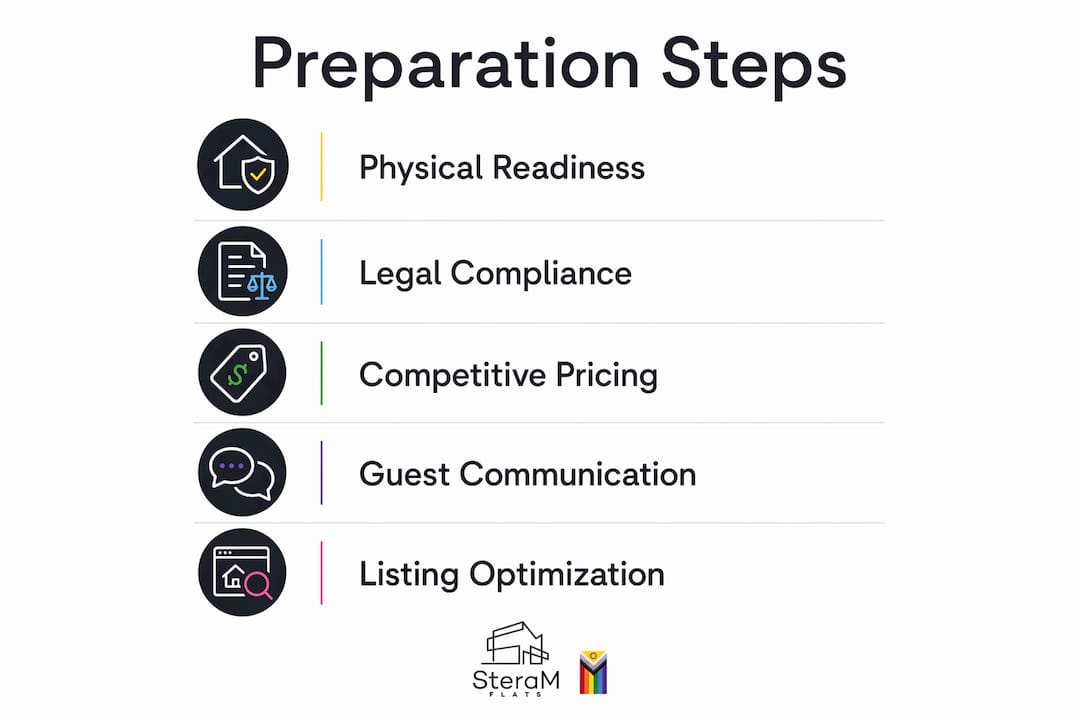
Getting your vacation rental ready for guests comes down to five things: physical readiness, legal compliance, competitive pricing, a compelling listing, and consistent guest communication. Miss any one of them and you’ll feel it in your reviews. Properties that follow a thorough preparation checklist earn measurably more revenue than those that skip key steps, and the gap shows up fast once bookings start rolling in.
Here’s what a guest-ready vacation rental actually requires before your first tourist walks through the door:
- Physical prep: Deep clean every room, install smoke and CO detectors, replace worn flooring, and stage the space with neutral, durable furnishings
- Legal compliance: Secure local short-term rental permits, confirm zoning rules, and get the right insurance coverage
- Pricing: Research local market rates, build in seasonal adjustments, and set a dynamic pricing strategy
- Listing: Professional photos, detailed amenity descriptions, and upfront check-in info
- Guest communication: Automated pre-arrival messages, visible house rules, and a digital guidebook or welcome binder
The sections below break each of these down with specifics you can act on today.
How to prepare your property for tourists: physical and seasonal readiness
The condition your property is in on day one sets the tone for every review you’ll ever receive. Guests judge cleanliness within minutes of arrival, and a single missed detail, hair in the shower drain, a burned-out bulb, a sticky stovetop, can pull a five-star stay down to four.
Room-by-room checklist:
- Bedrooms: Quality mattress, two pillows per guest (one firm, one soft), blackout curtains, bedside charging station, fresh white or neutral linens
- Bathrooms: Two bath towels per guest, bath mat, hair dryer, refillable dispensers for shampoo and conditioner, at least two spare toilet paper rolls visible under the sink
- Kitchen: Full cookware set, plates and glasses for double your guest capacity, coffee maker, kettle, salt, pepper, cooking oil, dish soap, and trash bags
- Living areas: Comfortable seating for max occupancy, smart TV with streaming apps, printed Wi-Fi password card in plain sight, a few board games or books
- Safety: Smoke and CO detectors in every required location, fire extinguisher near the kitchen, first aid kit, emergency contact card posted visibly
For flooring, luxury vinyl tile outperforms carpet in vacation rentals by a wide margin. It’s fully waterproof, handles heavy turnover traffic, and rarely needs replacing before year 15. Carpet, by contrast, stains easily and depreciates fast. Neutral wall colors, a warm off-white or light gray, photograph well and let guests feel at home without clashing with their expectations.
Seasonal prep matters more than most owners realize. Before peak summer bookings, test the HVAC thoroughly. A clean property that feels hot on a July afternoon reads as poorly managed, no matter how nice the decor. Before winter, check heating systems, seal drafts, and stock extra blankets. Outdoor spaces, patios, decks, and yards, need the same attention: mow, clear debris, pressure-wash surfaces, and set up seating.
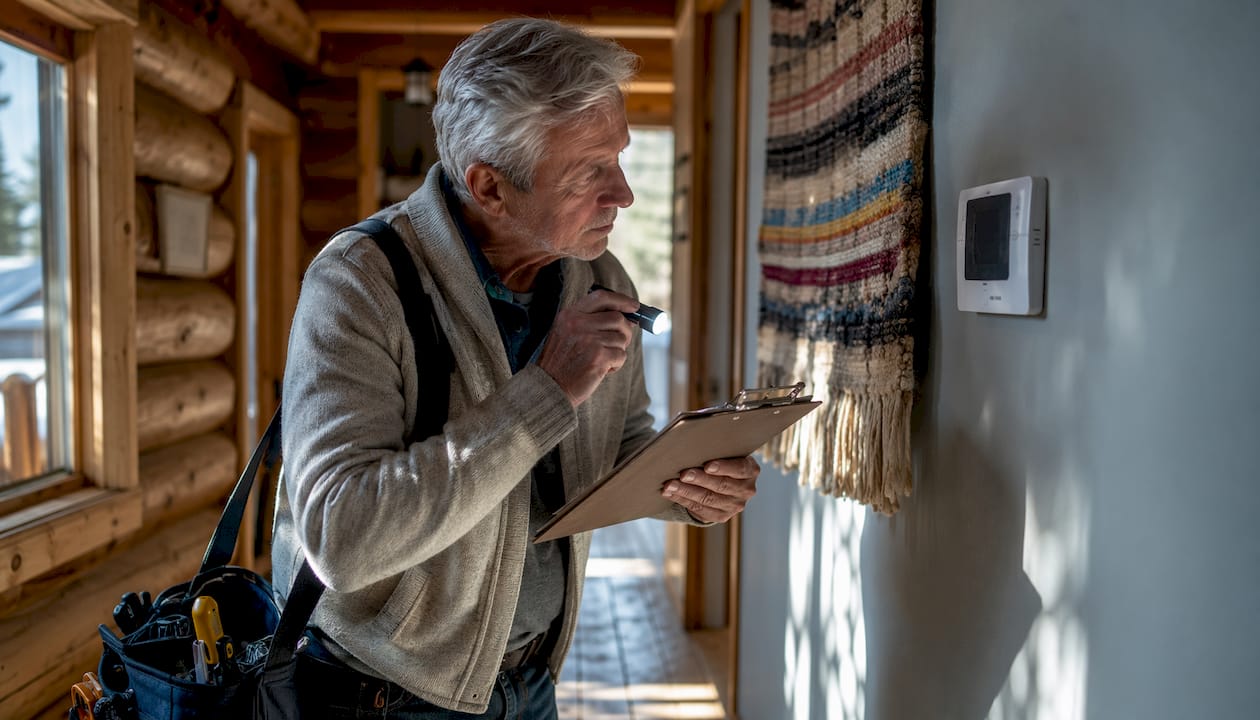
Pro Tip: Treat property turnover as a pipeline, not a one-time event. Start marketing the next availability the day notice comes in, not after the unit is empty. According to turnover research from DiscoveryMark, a well-run turn takes about one to two weeks from keys-back to new guest; a loose turn on the same property can take significantly longer. The difference is almost never the cleaning itself. It’s the dead time between stages.
What legal and administrative requirements apply to US vacation rentals?
Short-term rental regulations in the US vary significantly by city and county, and they’ve tightened considerably in recent years. Before you list, you need to know exactly what your jurisdiction requires.
Core compliance checklist:
- Permits and licenses: Most US cities now require a short-term rental permit or business license. Some municipalities cap the number of nights per year you can rent. Check your city and county websites directly, not third-party summaries, since rules update frequently.
- Zoning: Confirm your property is in a zone that allows short-term rentals. HOA rules can add another layer of restrictions even when local zoning permits it.
- Safety standards: US rentals require smoke and carbon monoxide detectors, clear fire exit labeling, and sanitization of high-touch surfaces between guests. These aren’t optional.
- Insurance: Standard homeowner’s insurance does not cover short-term rental activity. Talk to your insurance agent about a policy specifically designed for vacation rental use, covering guest liability and property damage.
- Rental agreements and house rules: A clear written agreement protects you in disputes. Keep house rules to 6–8 items maximum, posted visibly inside the property. Noise, smoking, maximum occupancy, checkout time. Nobody reads a 20-point list.
- Taxes: Most jurisdictions require you to collect and remit hotel occupancy tax or transient lodging tax. Confirm your local obligations before your first booking.
Document everything. Dated photos after each make-ready, signed rental agreements, and maintenance receipts all serve as your protection if a guest dispute ever escalates. A well-documented rental management process makes compliance audits and deposit disputes far easier to resolve.
How do you set competitive rates and build a listing that converts?
Pricing a vacation rental is part market research, part psychology. Set the rate too high and you sit empty; too low and you attract guests who don’t respect the property. The right number sits at the intersection of local demand, seasonal patterns, and your property’s actual strengths.
Pricing and listing checklist:
- Research local comps: Look at comparable properties in your area, same bedroom count, similar amenities, similar location. Note their rates across different months to understand seasonal swings.
- Build in seasonal pricing: Peak season rates can run significantly higher than off-season. Adjust weekly, not just monthly, especially around holidays and local events.
- Highlight recent upgrades: New appliances, a renovated bathroom, or a smart lock system all justify a higher rate. Mention them specifically in your listing description.
- Professional photography: Smartphone photos in poor lighting cost you bookings. Professional real estate photography typically runs $150–$300 and pays for itself within the first booking or two.
- Front-load guest-friendly details: Include Wi-Fi speed, check-in procedure, parking instructions, and pet policy in the listing itself. Missing details create back-and-forth that wastes everyone’s time.
- Refresh regularly: Listings that go stale, same photos, same description for two years, lose visibility on most platforms. Update photos seasonally and revise the description when you make improvements.
The listing description should read like a conversation, not a spec sheet. Lead with what makes the property genuinely different, the lake view, the walkable neighborhood, the outdoor kitchen, then cover the practical details. Guests decide in seconds whether to keep reading.
Pro Tip: Use a dynamic pricing tool that adjusts your nightly rate based on local demand signals, nearby events, and booking lead time. Flat-rate pricing leaves money on the table during peak periods and keeps you uncompetitive during slow ones.
How does guest experience and communication drive five-star reviews?
The gap between a four-star and a five-star review almost always comes down to communication and small details, not the property itself. Guests who feel informed and cared for before they even arrive are far more likely to overlook minor imperfections once they’re there.

A 2026 survey of 1,300+ hosts found that the highest-rated listings share detailed property information upfront and use automated guest messaging consistently. That’s not a coincidence.
Guest experience checklist:
- Pre-arrival message: Send a warm, brief welcome message at booking confirmation. Follow up with check-in instructions the day before arrival, not at booking. That’s when guests are actually thinking about logistics.
- Check-in instructions: Step-by-step directions from the street, entry code or lockbox details, and a backup plan if the code fails. Test your own check-in process from the sidewalk, including after dark.
- Visible house rules: Post them inside the property, framed on a wall or printed on the kitchen counter. Six to eight rules maximum, covering noise, smoking, guests, and checkout time.
- Digital guidebook or welcome binder: One resource that covers Wi-Fi, appliance instructions, local restaurant recommendations, parking, and emergency contacts. A QR code linking to a translated version helps international guests considerably.
- Emergency info card: Post your phone number, local emergency number, nearest hospital, and the property’s own address somewhere obvious. Guests in a stressful situation often can’t recall where they’re staying.
- Checkout instructions: Send them the evening before departure, around 6–7 PM, not the morning of. Keep it to five items or fewer.
- Cleaner booked and confirmed: Not “I’ll figure it out.” Booked, with a written checklist shared in advance. Prompt turnovers protect your next guest’s experience and your review score.
Posting clear safety info and emergency contacts visibly in the property reduces guest stress and improves review scores. It’s one of those details that costs almost nothing and shows up in the language guests use when they write about feeling “taken care of.”
Key stat: The vast majority of hosts who use a digital guidebook report fewer repetitive guest questions, according to Touchstay’s 2026 host survey. Fewer questions means fewer interruptions for you and a smoother stay for them.
Sustainable tourism expert Dr. Susanne Becken of Griffith University also points out that managing tourist properties with waste and utility awareness reduces local impact and appeals to the growing segment of guests who factor sustainability into their booking decisions. A recycling guide in your welcome binder and energy-efficient appliances are small additions that resonate with this audience.
Ready to list your vacation rental with confidence?

Steramflats specializes in vacation rental and real estate services for property owners who want their rentals performing at their full potential. From licensing guidance and property staging to listing management and guest communication systems, the team handles the operational complexity so you can focus on the returns. Whether you’re preparing your first tourist rental or refining an existing one, Steramflats brings the local expertise and practical systems that turn a well-prepared property into a consistently booked one.
Key Takeaways
Preparing a vacation rental for tourists requires physical readiness, legal compliance, competitive pricing, a strong listing, and proactive guest communication working together as a system.
| Point | Details |
|---|---|
| Physical prep drives reviews | A room-by-room checklist covering cleanliness, safety devices, and durable furnishings sets the foundation for five-star stays. |
| Legal compliance is non-negotiable | Secure local permits, verify zoning, get short-term rental insurance, and confirm tax obligations before your first booking. |
| Pricing needs seasonal adjustment | Research local comps and adjust rates weekly around peak periods, holidays, and local events to avoid leaving revenue on the table. |
| Listings convert on specifics | Professional photos and upfront details on Wi-Fi, check-in, and amenities reduce friction and increase booking conversion. |
| Communication reduces friction | Sending check-in info the day before arrival and checkout instructions the evening prior cuts repetitive questions and lifts review scores. |