Due diligence inmobiliaria is the buyer’s audit of a property before money changes hands. It verifies title, urbanistic compliance, tax exposure, and physical condition, and it must happen before you sign anything binding. The moment you have an address and a price, engage a real estate lawyer and pull an updated nota simple from the Registro de la Propiedad. That single document tells you who owns the property, what debts sit against it, and whether the description matches reality.
A proper review leans on named institutions and standards, not guesswork:
- The Registro de la Propiedad confirms legal ownership and registered charges through the nota simple.
- Catastro records compare declared surface area and use against what actually exists on site.
- The RICS technical due diligence standard governs how a qualified surveyor should inspect and report on a building’s condition.
- Steramflats coordinates these checks locally for buyers who don’t have boots on the ground in Spain.
Key Takeaways
Due diligence inmobiliaria succeeds when legal, urbanistic, fiscal, technical, environmental, and community checks are cross-verified against each other, not treated as separate boxes to tick.
| Point | Details |
|---|---|
| Start with the nota simple | Order an updated nota simple from the Registro de la Propiedad before signing any reservation contract. |
| Cross-check urbanistic status | Compare catastro records, licences, and actual construction, since a clean registry can still hide planning violations. |
| Budget 30 to 60 days | Front-load document requests and inspections in week one to leave time for negotiation before closing. |
| Match remedies to risk level | Use suspensive clauses, escrows, or price adjustments depending on whether findings are critical, moderate, or minor. |
| Get coordination help | Steramflats coordinates inspections, document retrieval, and legal or tax referrals for buyers managing due diligence from abroad. |
Table of Contents
- What Does a Real Estate Due Diligence Actually Cover?
- How Do You Run a Due Diligence From Start to Finish?
- What Documents Should You Request Before Buying?
- How Long Does a Property Due Diligence Take?
- How Do Findings Change the Deal?
- Who Should You Hire, and What Should They Deliver?
- How Steramflats Supports Buyers Through Due Diligence
- Why Environmental Checks Belong in Every Due Diligence
- Zoning Rules That Go Beyond the Basic Land Classification
- Are Water, Power, and Sewage Actually Connected and Legal?
- What Community Fees and Obligations Should You Check?
- The Editorial Take: Where Conventional Due Diligence Advice Falls Short
- Getting Due Diligence Support From Steramflats
- Sources
What Does a Real Estate Due Diligence Actually Cover?
A real estate due diligence in Spain rests on six pillars, and skipping any one of them is how buyers end up owning someone else’s problem. Each pillar answers a different question about the same asset.
- Legal and registral review. This confirms the seller actually owns what they’re selling, free of undisclosed mortgages, embargoes, or unpaid community fees. The legal pillar hinges on an updated nota simple that also checks whether the urbanistic status and licences match the property’s intended use.
- Urbanistic status. Land classification, building licences, first occupation licences, activity licences, and any open disciplinary file at the town hall all determine whether the property can legally be used the way the buyer plans.
- Fiscal review. This covers IBI (the annual property tax), plusvalía municipal on future resale, and whether ITP or IVA/AJD was correctly settled on prior transfers.
- Technical inspection. A surveyor checks structural condition, installations, energy performance certificates, and hidden defects that a walkthrough won’t reveal.
- Contractual review. Existing leases, service contracts, and any long-term encumbrance attached to the property need reading line by line, not skimming.
- AML and source-of-funds compliance. Spanish law requires identification of the beneficial owner and origin of funds in certain real estate operations under Law 10/2010, and your lawyer or notary will ask for this evidence regardless of how the deal is structured.
How Do You Run a Due Diligence From Start to Finish?
Treat the process as a sequence with deadlines, not an open-ended research project.
- Define scope and cost split. Agree upfront who commissions and pays for legal review versus technical survey, and put those deadlines into the reservation contract.
- Request documents early. Ask for the nota simple, catastro extract, licences, tax receipts, and any lease agreements the day you sign a reservation, not after.
- Commission inspections and specialist reports. A site visit, a structural survey, and where relevant an environmental screen should all start in the same week.
- Cross-check every data source. Compare what the deeds say against what catastro shows and what actually exists on the ground. Mismatches here are where urbanistic risk usually hides.
- Compile a diligence memo. A useful memo includes an executive summary, a risk register with remediation costs, and recommended contract clauses tied to each finding, classified as critical, moderate, or minor.
Pro Tip: Set a hard document deadline (7 to 10 days) in the reservation contract. Sellers who stall on paperwork are often the ones with something to hide.
What Documents Should You Request Before Buying?
Every buyer needs the same paper trail, and each document answers a specific question.
- Deeds and nota simple confirm who owns the property and what’s registered against it.
- Catastro records and municipal plans show whether the declared surface and use match what’s built.
- Licences and certificates (building, first occupation, activity, energy performance) prove the property can legally be used as intended.
- Tax receipts for IBI and plusvalía show whether prior liabilities are settled or still outstanding.
- Existing contracts, including leases and service or management agreements, reveal renewal terms and assignment clauses that transfer to you as the new owner.
Fiesta Properties keeps a practical documents checklist worth cross-referencing against whatever your lawyer requests, and Steramflats’s own guide on property registration in Spain walks through what each registry document should contain.
How Long Does a Property Due Diligence Take?
Standard acquisitions typically run 30 to 60 days from mobilization to decision, and front-loading document requests is what keeps that window from stretching.
- Mobilization (about 1 week): engaging the lawyer, ordering the nota simple, requesting catastro data.
- Investigation (2 to 6 weeks): site inspections, technical survey, tax review, and cross-checking records.
- Resolution: negotiating repairs, price adjustments, or contract clauses based on findings.
Legal review generally costs less than a full technical survey, and an environmental screen adds another line item when the property or land use warrants it. Buyers on a tight timeline often trade survey depth for speed, but that tradeoff should be a deliberate decision, not a default.
How Do Findings Change the Deal?
What you find during due diligence should translate directly into contract language, not just a mental note.
- Critical findings (unauthorized construction, unresolved title disputes, structural failure) usually justify walking away or demanding full remediation before closing.
- Moderate findings (unsettled minor taxes, a pending licence renewal) fit into escrow arrangements or seller indemnities written into the deed.
- Minor findings (cosmetic defects, small maintenance backlogs) typically get priced into a modest reduction rather than a contract clause.
A full diligence report should classify each risk and recommend the matching protection: suspensive clauses that delay closing until an issue resolves, holdbacks that reserve part of the price, or seller warranties that survive after the notary signs. When a critical issue can’t be fixed or insured against, that’s your red flag to walk.
Who Should You Hire, and What Should They Deliver?
Each specialist owes you a specific written output, not just a verbal opinion.
- Lawyer: a written memo covering registral, urbanistic, and contract review, with recommended clauses for the purchase agreement. Steramflats explains why legal support matters most in the weeks between reservation and notary.
- Technical surveyor: a condition report aligned to the RICS technical due diligence scope, including a capital needs schedule with short and medium-term cost estimates.
- Tax advisor: a fiscal exposure summary covering IBI, plusvalía, and ITP/IVA history, with suggested contingencies.
- AML checks: where the law requires source-of-funds evidence, request written confirmation of what was verified and by whom.
Pro Tip: Ask every specialist for their deliverable in writing before you hire them. A verbal “looks fine” from a surveyor is worthless in a negotiation; a signed capex table isn’t.
How Steramflats Supports Buyers Through Due Diligence
Coordinating five different specialists across legal, tax, and technical disciplines is the hardest part of due diligence for buyers who don’t live in Spain year round.
- Steramflats coordinates inspections and local documentation retrieval so records don’t sit in a queue at a regional office for weeks.
- Referrals to legal and tax advisors are matched to the specific municipality and property type involved.
- Buyers get access to Steramflats’s own guides, including its foreign buyer’s guide to the property search process, which maps out what to request and when.
- Fiscal questions around ongoing ownership costs are covered in Steramflats’s breakdown of IBI tax obligations.
Why Environmental Checks Belong in Every Due Diligence
Environmental due diligence rarely makes a buyer’s first checklist, and that’s a mistake, especially outside dense urban cores. Soil contamination, prior industrial use, and unresolved environmental liabilities attach to the land itself, not the seller, which means they transfer to you at the notary.
The first question is history: what was this land used for before it became residential or commercial? A former petrol station, workshop, or agricultural plot with heavy pesticide use carries different risk than a plot that’s always been residential. Where that history is unclear, a soil study becomes worth commissioning, particularly for larger plots, rural land, or anything near a former industrial zone.
Environmental liabilities also show up in less obvious places. A property near a protected coastline or riverbank may carry restrictions tied to Spain’s coastal protection law, and any construction within that buffer zone can face demolition orders regardless of what the seller told you. Water table contamination from a neighboring property is another risk that a standard nota simple will never reveal, because it isn’t a registered charge. It’s a physical condition that only a specialist can assess.
For urban apartments in an established building, the environmental review is usually light: confirm there’s no asbestos in older construction and no history of subsidence. For rural land, agricultural plots, or anything with a prior commercial or industrial use, the environmental screen deserves the same seriousness as the structural survey, because remediation costs for contaminated soil can run far higher than any repair bill.
Zoning Rules That Go Beyond the Basic Land Classification
Knowing whether land is classified as urban, urbanizable, or rustic tells you the starting point, not the full picture. Spain layers additional land use plans and protected-area designations on top of that basic classification, and missing one of them is how buyers end up owning a plot they can’t build on the way they planned.
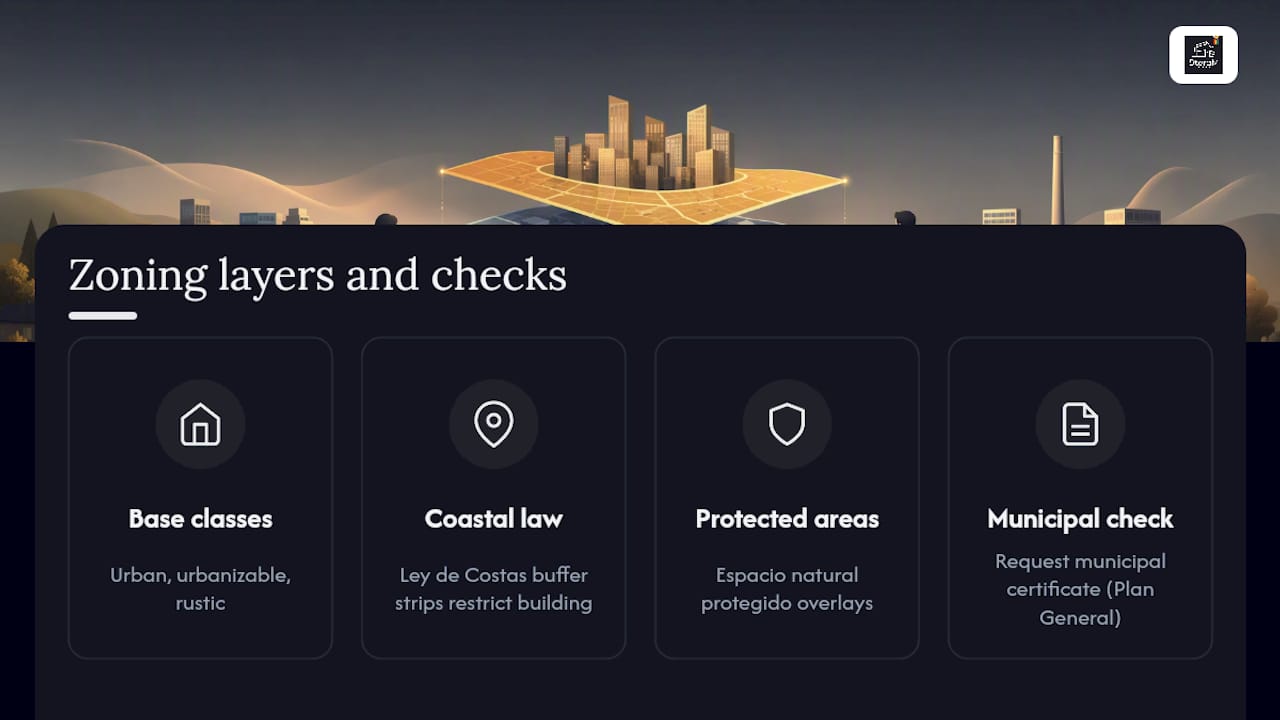
Coastal properties face restrictions under Spain’s Ley de Costas, which sets buffer distances from the shoreline where construction is limited or banned outright. A property that looks perfectly legal on the deed can still sit inside a protected coastal strip that restricts renovation or expansion. Protected natural areas, whether a national park buffer zone or a designated espacio natural protegido, carry similar overlays that a basic urbanistic check won’t always surface unless you specifically ask the town hall for the applicable land use plan, or Plan General de Ordenación Urbana.
Rural land carries its own layer of restriction. Agricultural land classified as suelo no urbanizable often permits only limited construction tied to farming use, and converting it to residential use can require a lengthy reclassification process with no guaranteed outcome. Buyers planning a renovation or extension should also check whether the property sits within a historic protection zone, since municipalities frequently impose facade, height, or material restrictions in these areas that override what a standard building licence would otherwise allow.
The practical fix is the same one that catches urbanistic irregularities generally: request the municipal certification directly rather than relying on what the seller or listing agent describes, since a seemingly clean registry record can still mask planning restrictions that shift liability to you as the new owner.
Are Water, Power, and Sewage Actually Connected and Legal?
A property can have every legal document in order and still lack a working, legal connection to basic utilities, particularly outside established urban areas. This check matters most for rural properties, new construction, and any building that’s undergone significant renovation.
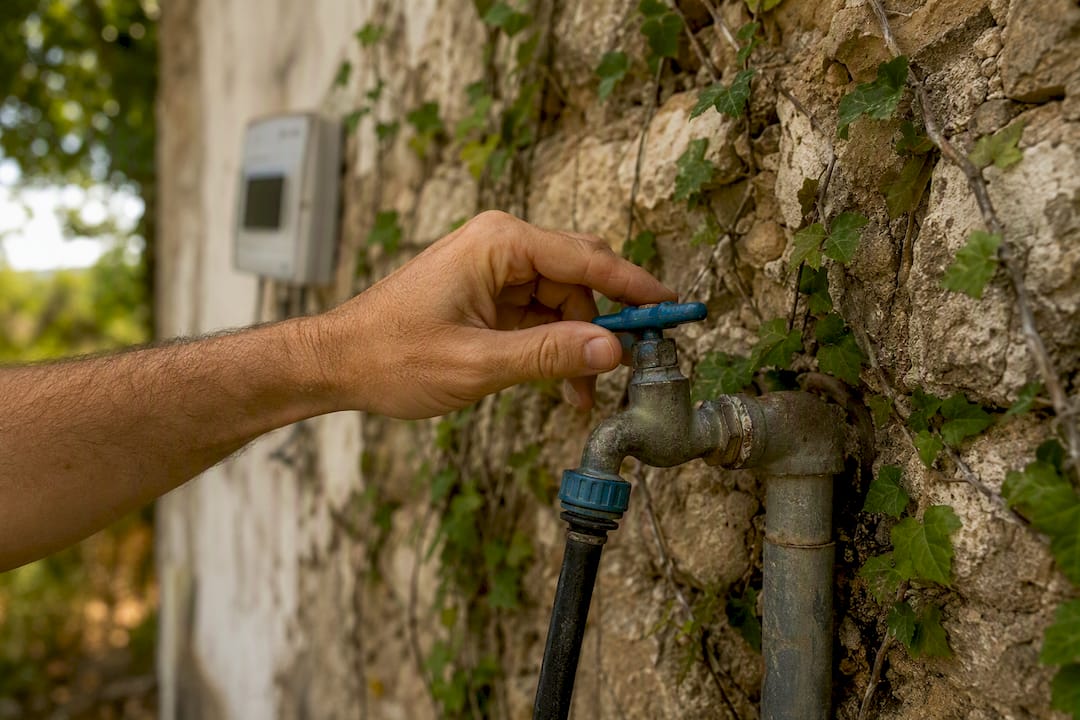
Water supply deserves direct verification with the local water authority, not just a functioning tap during your visit. Some rural properties rely on a private well or a shared community supply that isn’t registered with the municipal water company, and that distinction affects both reliability and resale value. Ask specifically whether the connection is a legal, metered municipal supply or an informal arrangement that could be cut off or challenged later.
Electrical supply capacity matters just as much as connection status. Older rural properties sometimes carry a limited amperage contract that can’t support modern appliances or a renovation project, and upgrading that capacity can involve both cost and municipal approval if the existing infrastructure needs reinforcement. Sewage is the utility most often overlooked. Properties outside a municipal sewage network typically rely on a septic tank, or fosa séptica, and you’ll want to confirm it meets current environmental standards rather than assuming it’s compliant because it’s been there for decades.
For any property where utility status is unclear, request the connection certificates from each provider directly, the same way you’d request a nota simple from the registry. A verbal assurance from the seller that “everything works” is not documentation, and it won’t help you if a connection turns out to be informal or substandard after you’ve closed.
What Community Fees and Obligations Should You Check?
Buying an apartment or a property within a residential complex means inheriting whatever financial obligations the community of owners has taken on, whether or not the seller mentioned them. This is one of the most common sources of post-purchase disputes in Spain.
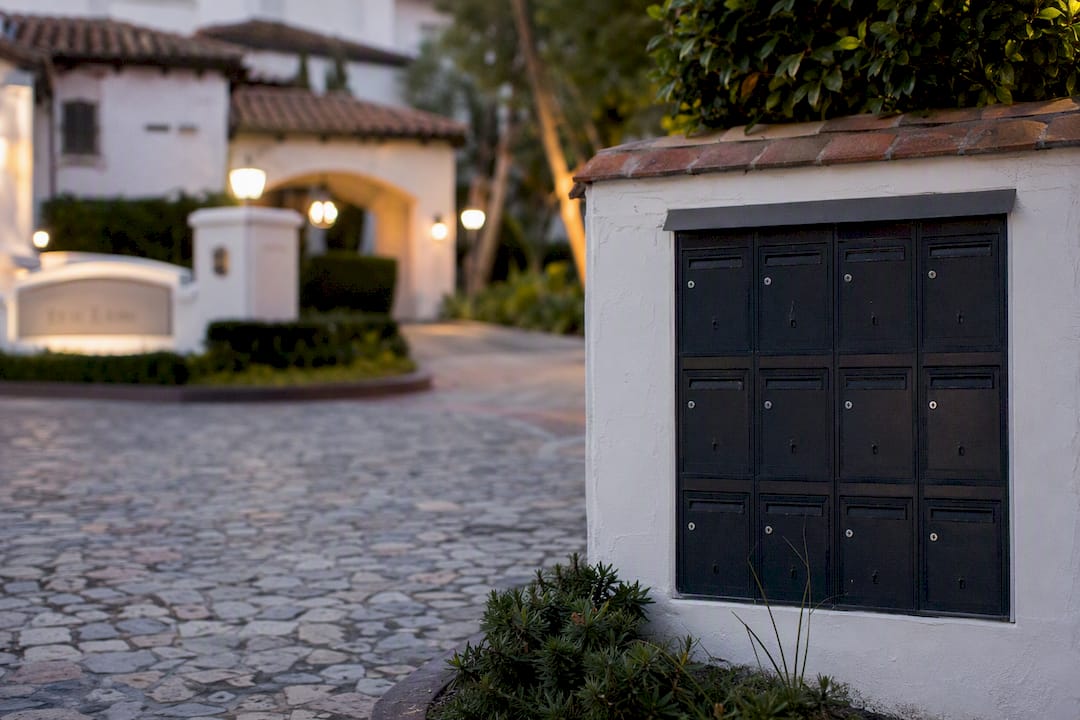
Start with a certificate from the community administrator confirming the seller is current on monthly fees. Spanish law generally makes the buyer liable for the current year’s outstanding community debt plus the prior year, regardless of who created it, so an unpaid balance becomes your problem the moment you sign at the notary unless it’s settled or deducted from the price beforehand.
Beyond routine monthly fees, ask about pending or approved extraordinary contributions. Communities regularly vote on major works, roof repairs, facade renovation, elevator replacement, that get split among all owners as a special assessment. If a vote already approved that work before you buy, you may owe your share even if construction hasn’t started yet. Request the minutes from the last two or three general assembly meetings to see what’s been discussed and approved.
It’s also worth checking whether the community has any pending litigation, either against a developer for construction defects or against an individual owner for unpaid fees, since either scenario can affect the building’s finances and, indirectly, your future fees. A five-minute conversation with the administrator, backed by a written certificate, resolves most of this before it becomes a post-closing surprise.
The Editorial Take: Where Conventional Due Diligence Advice Falls Short
Most guides to due diligence inmobiliaria treat it as a legal exercise with a technical footnote. That gets the emphasis backward. The registral check is the easy part. It’s a document request. The urbanistic and environmental layers are where real liability hides, because they require someone to actually ask the town hall the right question, not just read what’s already on file.
The conventional advice to “get a lawyer and check the nota simple” is necessary but insufficient. A clean registry record tells you almost nothing about whether a rural plot can be built on, whether a coastal buffer zone applies, or whether the community you’re joining just approved a roof replacement nobody mentioned. Buyers who stop at the legal and fiscal checks are the ones who discover urbanistic problems after closing, when the remedies are far more expensive.
If you take one thing from this guide, prioritize the cross-check between what’s declared and what’s real: catastro against actual use, licence against actual construction, community minutes against what the seller disclosed. That single habit catches more real risk than any single specialist report on its own.
— YellowRock
Getting Due Diligence Support From Steramflats
Coordinating a lawyer, a surveyor, a tax advisor, and a community administrator across different offices is the part of due diligence that wears buyers down, especially when you’re not in Spain to chase paperwork in person. Steramflats handles that coordination directly: arranging local inspections, retrieving documentation from town halls and registries, and connecting buyers with vetted legal and tax referrals who deliver the written memos this guide describes.

A typical engagement starts with a scoping call to identify which pillars matter most for your specific property, rural land needs a different emphasis than a resale apartment in a managed community, followed by a coordinated document pull and inspection schedule within days rather than weeks. Steramflats’s real estate advisory services cover exactly this kind of due diligence coordination alongside broader investment guidance. If you have a property in mind, request a consultation to get a scoped timeline and cost estimate before you commit to a reservation contract.
Sources
- Comprar un Inmueble en España de forma segura. La Due Diligence inmobiliaria. – Navarro Llima Abogados
- Technical due diligence of commercial property — RICS (professional standard)
- Due Diligence Inmobiliario | Auditoría legal y técnica para operaciones inmobiliarias
- Commercial Real Estate Due Diligence: A Complete Checklist | Ryan O’Connell, CFA