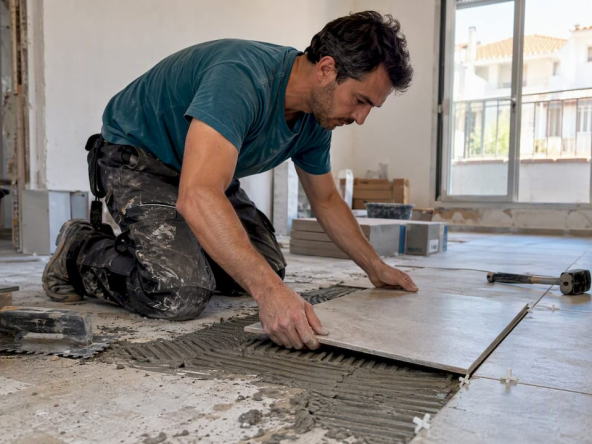
Maintenance is not just about fixing things when they break. For property owners in Spain, it is a legal obligation, a financial strategy, and, in many cases, the difference between a thriving rental income and a costly disaster. Whether you own a long-term rental in Málaga or a vacation apartment in Torremolinos, the Spanish climate, local regulations, and tenant rights create a maintenance landscape that is more complex than most owners realize. This guide breaks down what you are legally responsible for, what preventive routines actually save money, and how to protect your property during the empty months that expose it to the most risk.
Table of Contents
- Understanding maintenance responsibilities in Spain
- Preventive maintenance: The key to long-term savings
- Holiday homes and empty periods: Risks and pest-proofing essentials
- Organizing maintenance routines and documentation
- Why most property owners underestimate both risks and ROI
- Ready to unlock your property’s full potential?
- Frequently asked questions
Key Takeaways
| Point | Details |
|---|---|
| Legal clarity matters | Clearly define owner and tenant duties to avoid disputes and costly misunderstandings. |
| Prevention saves money | Routine and predictive maintenance prevent costly repairs and keep property value high. |
| Holiday homes need extra care | Vacant Spanish homes are prone to pests and issues, so use checklists and professional help. |
| Organized records protect you | Comprehensive maintenance documentation ensures legal compliance and simplifies future transactions. |
Understanding maintenance responsibilities in Spain
With the stage set, let’s clarify who is responsible for which types of upkeep in Spanish properties. This is the area that generates the most disputes between landlords and tenants, and confusion here is expensive.
Spanish law draws a clear line between habitability and ordinary wear. Habitability refers to the systems and structural elements that make a property livable and safe: heating, plumbing, electrical installations, roof integrity, and load-bearing walls. Ordinary wear covers the small, cosmetic degradation that happens through normal use, like minor scuffs on walls or a dripping faucet caused by a worn washer.
As a property owner, your core legal duty is to keep the property in a habitable condition throughout the tenancy. Tenants, by contrast, are expected to handle minor day-to-day issues and to pay for any damage they cause beyond normal use. According to property law summaries for Spain, habitability-critical systems are owner responsibilities, while minor wear and tenant-caused issues are tenant responsibilities. That distinction sounds simple, but in practice it blurs quickly.
Here is a clear breakdown of who handles what:
| Item | Owner’s responsibility | Tenant’s responsibility |
|---|---|---|
| Boiler breakdown | Yes | No |
| Broken window latch (normal wear) | Yes | No |
| Broken window latch (tenant-caused) | No | Yes |
| Full electrical rewire | Yes | No |
| Light bulb replacement | No | Yes |
| Roof repair | Yes | No |
| Interior paint touch-up (after 5+ years) | Yes | No |
| Interior paint damage (tenant) | No | Yes |
| Pest infestation (structural cause) | Yes | No |
Understanding these distinctions matters enormously when you review your landlord maintenance responsibilities or draft your contracts. The best move is to make responsibilities explicit in writing before a tenancy starts. A well-drafted agreement using the correct rental agreement types will specify response times, reporting procedures, and cost allocation for grey areas.
Several common dispute zones trip up even experienced landlords:
- Damp and mold: If damp comes from a structural issue or a leaking pipe, it is your problem. If it comes from a tenant not ventilating the bathroom, it may be theirs.
- Appliances: Appliances provided by the owner must be kept functional by the owner. Tenants are not expected to fund a new dishwasher.
- Communal areas: In apartment buildings, the comunidad de propietarios (owners’ community) handles shared areas, and you as the unit owner pay your quota.
Making sure your insurance for rental properties covers the right categories also reduces financial exposure when disputes arise. Many landlords discover their policy does not cover tenant-caused flooding because the wording was never checked carefully.
Key principle: If the tenant cannot reasonably live in the property without the repair being done, it is almost certainly your job to fix it and fix it promptly.
Preventive maintenance: The key to long-term savings
Clear responsibilities set the groundwork, but how often should you act and what proactive steps will actually save you money in Spain? The answer lies in building a preventive maintenance routine before problems appear, not after.
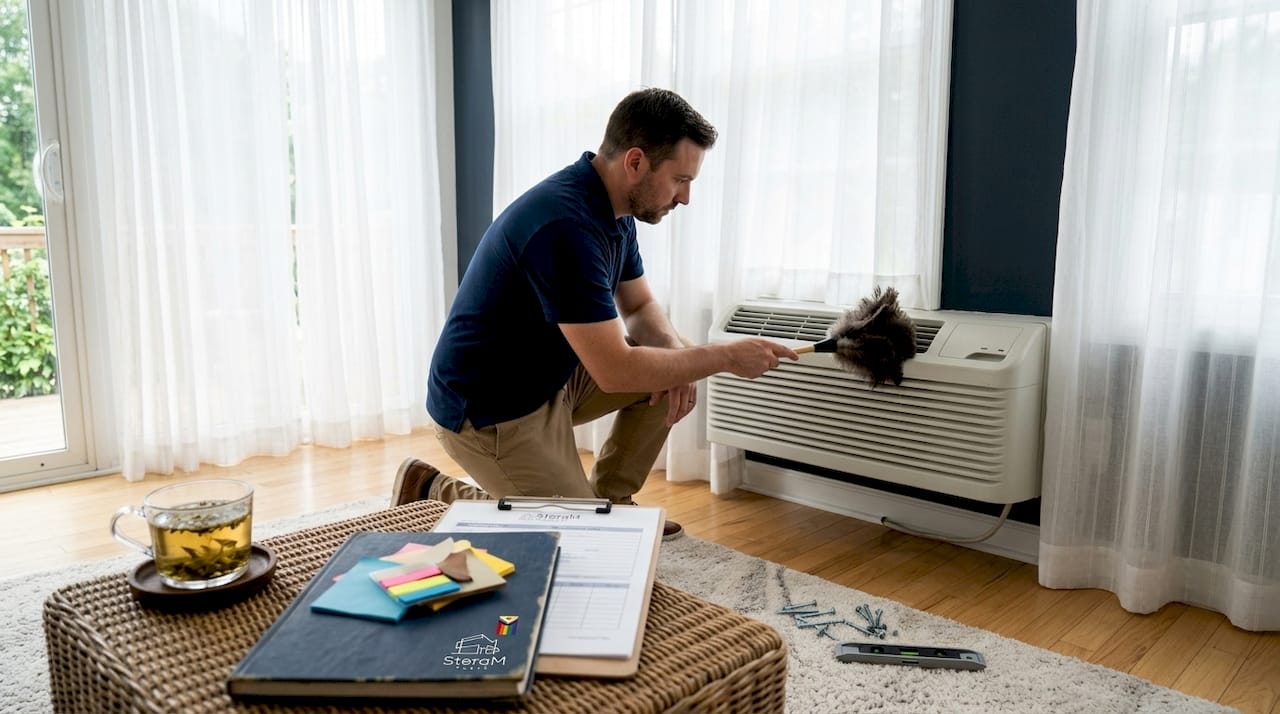
Preventive maintenance is consistently identified as the cost and risk reduction alternative to waiting for failures. The concept is straightforward: regularly check, service, and document your property’s key systems so that small issues never become expensive emergencies. In Spain, the climate makes this especially urgent. The combination of intense summer heat, coastal humidity, and dry winters stresses properties in ways that northern European owners often underestimate.
Here is a step-by-step approach to building your preventive routine:
- Map your systems. Create a list of every major system in the property: HVAC, boiler or heat pump, electrical panel, plumbing, roof, exterior walls, windows, and any appliances you supply.
- Assign inspection intervals. Not everything needs quarterly attention, but heating systems and air conditioning units in coastal areas should be checked at least annually before the season they are needed.
- Hire licensed professionals. In Spain, certain work like electrical and gas installations legally requires a certified técnico (technician). Hiring unlicensed workers voids insurance and exposes you to liability.
- Log everything. Every visit, every invoice, every reported issue. A maintenance log is both a management tool and legal protection.
- Monitor utilities. A sudden spike in water or electricity consumption often signals a hidden leak or a failing appliance before you can see the physical damage.
- Use guest and tenant feedback. For vacation rentals especially, guests notice small problems immediately. Track their feedback systematically for early warning signs.
Here is a reference table for inspection intervals suited to Spanish residential properties:
| System | Recommended inspection interval | Notes |
|---|---|---|
| Air conditioning units | Annually (March/April) | Filter cleaning, refrigerant check |
| Boiler/water heater | Annually (October) | Before winter demand |
| Electrical panel | Every 2 years | Check for corrosion, overloading |
| Plumbing/water traps | Every 6 months | Especially in coastal areas |
| Roof and terrace waterproofing | Annually | After summer heat stress |
| Exterior paintwork | Every 3 to 5 years | UV degradation is rapid in southern Spain |
| Pest control | Biannually | May and September recommended |
Understanding how these costs fit into your overall spending is easier when you also have a handle on your property taxes and maintenance, since both represent recurring ownership obligations that affect your net returns.
Pro Tip: Use a free or low-cost property management app like Properly or a shared calendar system to schedule and document every maintenance event. This creates an automatic paper trail and ensures nothing slips through the cracks, especially if you manage multiple properties or rely on local caretakers.
If your property qualifies as a vacation rental, keeping holiday home compliance current is also part of the maintenance picture. Licenses can be affected by the condition of the property, and inspectors do check habitability standards.
Holiday homes and empty periods: Risks and pest-proofing essentials
Proactive care is especially critical during vacant periods. Let’s address the pitfalls unique to holiday homes in the Spanish climate. Empty properties face a very different set of risks than occupied ones, and most owners are not prepared for how fast conditions can deteriorate.
The warm temperatures that make southern Spain so appealing to guests also create ideal conditions for pests. Empty dwellings can become infested within two to three weeks during hot months, with cockroaches, ants, and rodents exploiting dried-out water traps, forgotten food traces, and unsealed entry points. Addressing this is not just about comfort. A severe infestation discovered by arriving guests can destroy your review score overnight and trigger a cancelation avalanche.
Here is a pre-departure and pre-arrival checklist to protect your vacant property:
- Flush all water traps in sinks, showers, and toilets before closing up. Dried traps allow sewer pests direct access.
- Cover drains with mesh or sealed covers if the property will be empty more than two weeks.
- Remove all food and bin contents. Even sealed packaging can attract pests over long periods.
- Check for entry points around pipes, window frames, and door seals. Rodents can enter through gaps smaller than a euro coin.
- Turn off water at the mains during extended absences to prevent leak damage from unmonitored pipes.
- Set humidity control. Coastal properties left sealed during summer can develop damp, mold, and structural issues within a single season.
- Arrange biannual professional pest treatment. Most pest professionals in Spain recommend treating in May before summer activity peaks and again in September before pests seek winter shelter indoors.
- Check upon return before guest arrivals: inspect traps, run taps, ventilate rooms, and confirm no evidence of pests or leaks.
For holiday rental property management, these routines are best embedded directly into your cleaning and turnover workflow. Cleaners arriving between guests are your first line of detection. Train them to report standing water, unusual odors, and anything that looks like pest activity.
Pro Tip: Create a simple digital checklist on a platform like Google Forms or Notion that your cleaner or property manager completes after every visit. Attach photos when anything unusual is spotted. Over time, this log becomes an early warning system and a compliance record.
One often overlooked Spain-specific risk is thermal shock in properties near the coast. Properties in Torremolinos, Marbella, or the Costa del Sol experience dramatic temperature swings between air-conditioned interiors and direct sun on exterior surfaces. This accelerates deterioration of caulking around windows and terrace joints, which then allows moisture infiltration. Checking these seals each spring takes thirty minutes and can prevent a €3,000 waterproofing repair.
Ensuring your vacation rental compliance documentation is in order also protects you during the periods when inspections are most likely, typically at the start of the tourist season.
Organizing maintenance routines and documentation
Having seen the unique risks for holiday homes and the importance of prevention, let’s look at how to set up routines and organize your property-related paperwork. Many owners do the work but fail to document it. That is a serious mistake.
Good documentation does three things. It proves compliance if you are ever investigated or sued. It supports your insurance claims when a covered event occurs. And it gives you data to make better decisions, because you can actually see when a system is consuming unusual resources or requiring repeated repairs.
Here is a step-by-step approach to organizing your maintenance system:
- Set up a property file for each unit you own. Physical or digital, it does not matter, but it needs to be consistent and accessible.
- Store all invoices and receipts from every repair and service, no matter how minor. Spanish tax law also allows many maintenance costs to be deducted, so this doubles as financial record-keeping.
- Keep all inspection certificates. Gas installations, electrical safety certificates, and energy performance certificates (Certificado de Eficiencia Energética) are legally required and need renewal at set intervals.
- Log all tenant or guest communications about maintenance. A text message reporting a broken heater, followed by your reply and the repair invoice, is a complete record that protects you in any dispute.
- Document vendor agreements. If you use a regular plumber or electrician, keep their license numbers, insurance details, and any service contracts on file.
Key documents every Spanish property owner should maintain:
- Energy performance certificate (legally required for rentals)
- Habitability certificate (Cédula de habitabilidad)
- Electrical installation certificate
- Gas installation certificate
- Annual inspection reports
- All repair invoices (minimum 5 years recommended)
- Pest treatment records
- Insurance policy documents and renewal dates
- Guest or tenant maintenance communications
Using prior maintenance records to monitor utility consumption patterns and incorporate feedback allows you to shift from reactive fixing to genuinely predictive management. When you can see that the water heater has needed servicing three times in two years, you replace it before it fails during a peak rental week.
Property registration for compliance also intersects with maintenance documentation. Foreign buyers in particular sometimes overlook that registration paperwork and condition certificates work together when verifying a property’s legal and physical status.
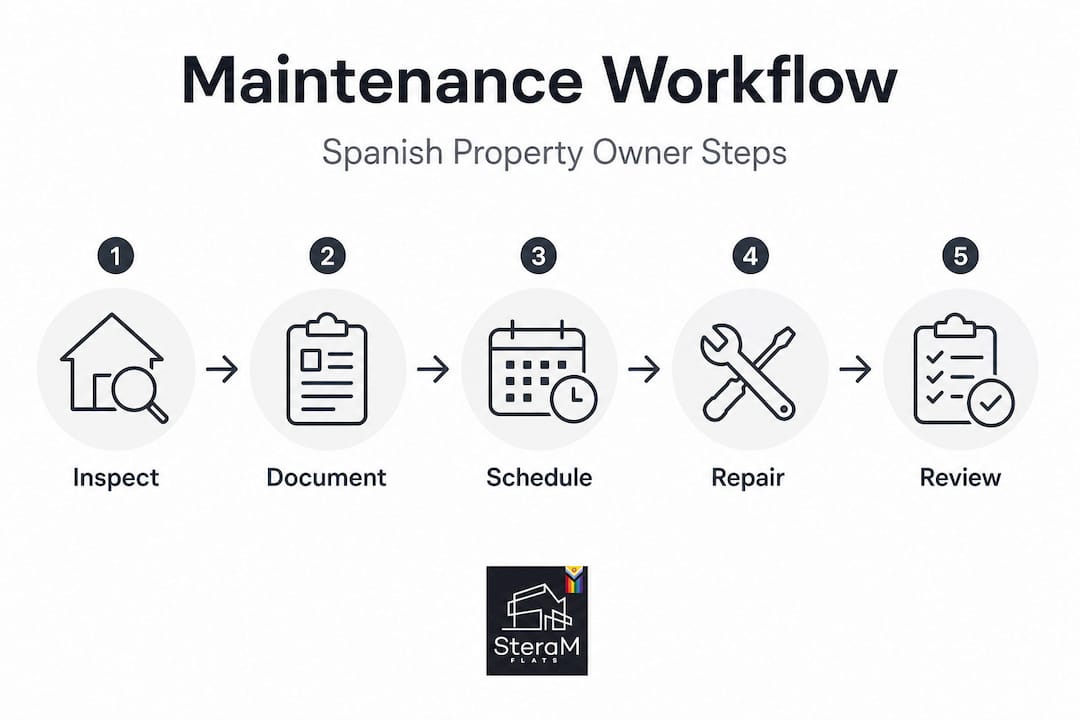
Why most property owners underestimate both risks and ROI
With the practical steps in place, here is what seasoned owners and managers often discover the hard way about property maintenance in Spain.
Most property owners treat maintenance as a cost they want to minimize. That framing is the first mistake. Every deferred repair compounds. A €150 roof seal repair ignored for one season easily becomes a €4,000 interior damp remediation by the following spring. Beyond the direct financial hit, the downstream effects are serious: unhappy guests leaving one-star reviews, tenants threatening rent withholding under Spanish law, and in worst-case scenarios, regulatory action against a holiday license.
The Spanish legal framework gives tenants real leverage when habitability fails. Owners who are vague about their responsibilities or slow to respond face not just repair costs but potential rent reductions, legal claims, and damaged relationships. Clarity in your effective property checklists and contracts is not bureaucracy. It is profit protection.
Long-term owners with strong ROI almost universally share one habit: they treat maintenance spending as a capital investment, not an operating drain. A well-maintained Spanish property commands higher rents, attracts better tenants, holds its value through market fluctuations, and qualifies more easily for renewal of vacation licenses. A neglected property does the opposite on every count.
The other underestimated factor is time. Owners who manage properties from abroad or with minimal local support often discover problems late, when they are most expensive to fix. Building a local network of vetted professionals and a reliable documentation system removes that delay. The goal is to know about problems before they become emergencies, not to simply react faster.
Pro Tip: Frame every maintenance expense as a line item in your property’s investment return. A €500 annual preventive service contract on your HVAC system protects a rental income stream that might generate €12,000 a year. The ROI math is not complicated, but it becomes obvious only when you stop treating maintenance as an unavoidable nuisance.
Ready to unlock your property’s full potential?
If avoiding costly surprises and protecting your property value matters to you, here is where to find expert help and proven strategies.
Managing a Spanish property well takes more than good intentions. It requires local knowledge, the right contracts, and a proactive system that keeps your asset in peak condition year-round. At Steramflats, we work with property owners across southern Spain to make that process simpler and more profitable.

Explore our full range of vacation rental and property services to see how we support owners from compliance and licensing to ongoing management. Need a structured starting point? Our detailed rental management checklist gives you a practical framework to assess where your property stands today and what to prioritize next. Whether you own a single apartment or a portfolio of vacation homes, we are ready to help you protect and grow what you have built.
Frequently asked questions
What are the most common property maintenance mistakes in Spain?
Neglecting preventive checks, failing to document repairs, and ignoring pest prevention during vacancies are the most frequent mistakes. Both pest-proofing practices and preventive maintenance routines are widely recommended but routinely skipped by owners focused only on immediate costs.
How often should pest control be conducted in Spanish holiday homes?
Professional pest treatment is generally advised twice a year, typically in May before peak summer activity and again in September before pests seek indoor shelter for winter. This is especially important for vacation homes that sit empty between rental periods.
Who is responsible for fixing plumbing or electrical faults in a Spanish rental property?
Owners are responsible for all habitability-critical repairs, including plumbing failures and electrical faults, because habitability systems are an owner obligation under Spanish law. Tenants are responsible for minor wear and any damage they directly cause.
What documents should Spanish property owners keep for maintenance compliance?
You should maintain records of all repairs, inspection certificates, invoices, insurance policies, energy performance certificates, and vendor agreements. Clear maintenance records also support predictive management decisions and are essential if you ever face a legal dispute or insurance claim.
Recommended
- SteraM Flats | Rental management checklist: Essential steps for landlords in Spain
- SteraM Flats | Property taxes in Spain: essential guide for buyers 2026
- SteraM Flats | Insurance in Spanish Rentals: Guide for Landlords & Tenants
- SteraM Flats | Types of Spanish Properties: Residential & Investment Guide