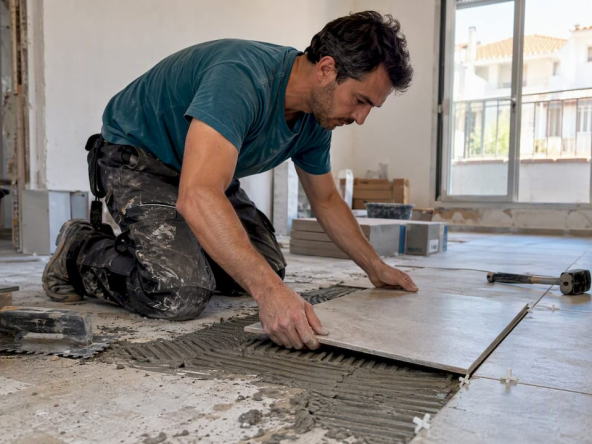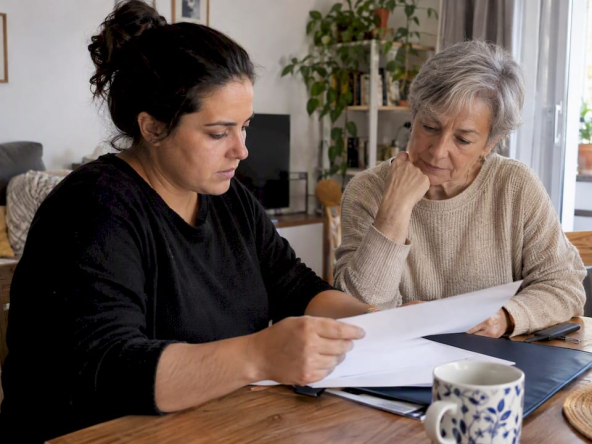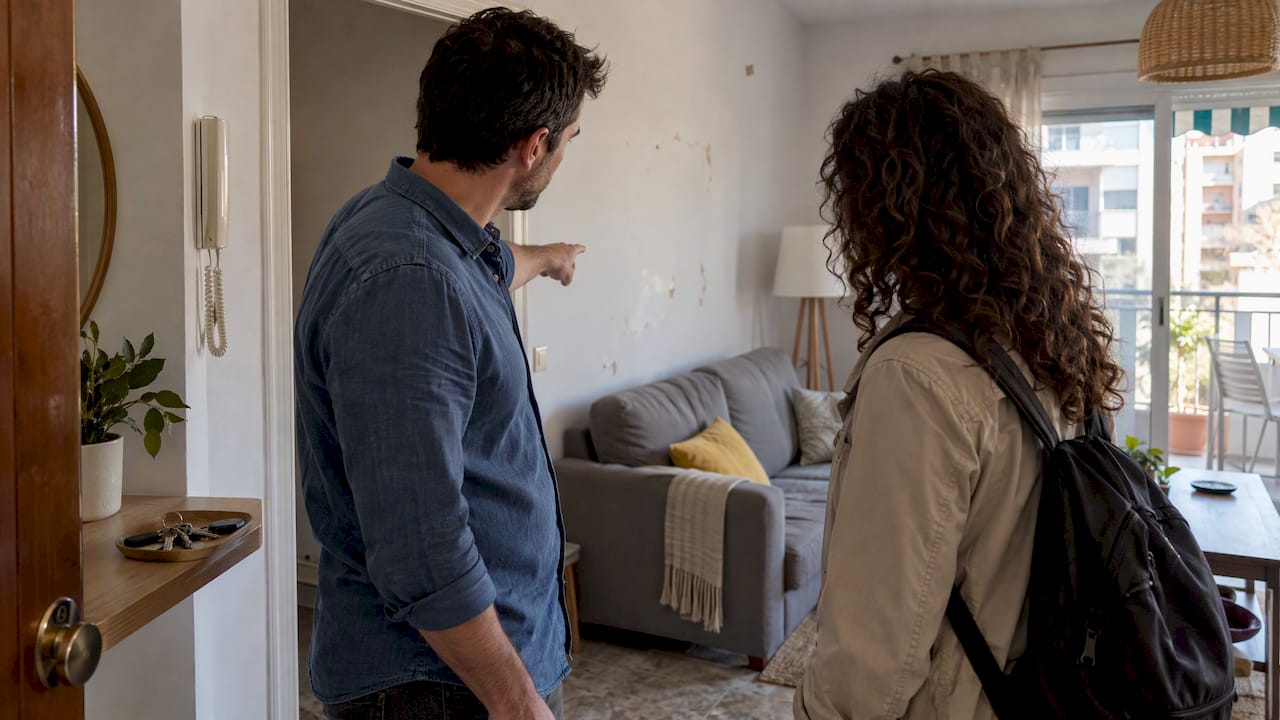
In Spain, a holiday rental damage deposit is valid when it is written into the contract and disclosed at booking. Hosts may only deduct proven, extraordinary damage backed by invoices or receipts, never ordinary wear, and refunds typically clear within 15 to 30 days, though regional procedures or disputes can stretch that window further.
TL;DR:
- The contract must state the deposit amount, collection method, and refund conditions before payment; each autonomous community may have different procedures.
- Hosts may deduct only documented costs for extraordinary damage, missing items, or severe soiling, not faded paint, minor scuffs, or ordinary wear.
- If a host withholds funds, request an itemized explanation and invoices in writing, then escalate through the property’s regional tourism authority or consumer mediation service.
- Timestamped arrival and departure photos, a signed inventory comparison, and meter readings document claims; a signed settlement can speed release of remaining funds.
Table of Contents
- The Legal Basis for Holiday Rental Deposits in Spain
- What Hosts Can and Cannot Deduct From a Deposit
- How Refunds Work and What to Do if a Host Delays
- A Step-by-Step Checklist to Avoid Deposit Disputes
- What Years of Managing Rentals in Spain Teach About Deposits
- Let Us Handle Your Deposit Documentation and Disputes
- FAQ
- Sources
The Legal Basis for Holiday Rental Deposits in Spain
The right to hold a damage deposit on a tourist rental comes from Article 19 of the tourism accommodation regulation, which permits hosts to require a deposit for loss or deterioration of furnishings or facilities. The rule has one condition that trips up a lot of hosts: the deposit must be agreed and recorded when the contract is formalized, not added as a surprise line item at checkout. Article 19 also allows the deposit to cover situations like extra occupants beyond what was booked, and it states clearly that the deposit must be returned after the stay once any deductions are duly accredited with evidence.
Where things get more complicated is at the regional level. Spain’s autonomous communities each regulate tourist accommodation separately, so the exact paperwork, forms, and even the body that handles disputes can differ from one region to the next.
- Andalusia, Catalonia, and the Balearic Islands each run their own tourism registries and complaint channels, which means a deposit dispute in Málaga does not follow the same administrative path as one in Barcelona.
- Long-term residential deposits (the fianza under the LAU) follow a separate legal track from tourist-accommodation deposits, even though both use similar language around damage and inventory.
- A host operating across more than one region needs to know which regional tourism decree applies to each property, since the deposit rules sit inside that decree, not in a single national law.
For guests, the practical takeaway is simple: check that the deposit amount, collection method, and return conditions are written in the booking contract before paying anything.
What Hosts Can and Cannot Deduct From a Deposit
Not every scuff or stain justifies keeping part of a deposit. The dividing line in Spanish practice is between normal wear and tear, which a deposit is never meant to cover, and extraordinary damage that goes beyond what a property reasonably absorbs from guest turnover.
- Broken or cracked windows, doors, or fixtures caused by misuse rather than age.
- Replaced appliances when a guest’s actions, not normal use, caused the failure.
- Unpaid utility overages tied directly to that stay, such as excessive water or electricity use documented against meter readings.
- Extra cleaning fees for severe soiling beyond what a standard turnover clean covers, like stained upholstery or heavy odor removal.
- Missing inventory items confirmed against the check-in list.
What does not qualify: faded paint, minor carpet wear, small scuffs from normal foot traffic, or loosened fixtures from age. A host who deducts automatically for these items without documentation is likely to lose that claim in mediation, according to practical guidance on fianza disputes. The evidence that actually holds up includes dated, high-resolution photos from check-in and check-out, a signed inventory comparison, invoices or receipts for any repair or replacement, and a signed finiquito or documented written communication confirming both parties agree on the final figures.
Pro Tip: Photograph every room from the same angles at check-in and check-out; side-by-side comparisons are far more persuasive in a dispute than a written description.

How Refunds Work and What to Do if a Host Delays
Most deposit refunds in Spain clear within 15 to 30 days of checkout, once the property has been inspected and any documentation is in order, a timeline confirmed by practitioner guidance on fianza returns. Delays usually come from one of three sources: an active dispute over damage, missing invoices on the host’s side, or a backlog in the regional body that processes tourism deposits.
- Request the refund in writing shortly after checkout, referencing the contract terms on deposit return.
- If a host withholds funds, ask for an itemized breakdown with supporting invoices before escalating.
- A signed finiquito, a short document confirming both parties agree on the final settlement, speeds up processing because it gives the regional office a clear basis to release remaining funds.
- If communication stalls, a formal reclamation sent by burofax or email with attached evidence creates a documented record for later mediation or legal action.
- When a direct resolution fails, guests can turn to the regional tourism authority or consumer mediation service that covers the property’s location, since procedures and forms differ by autonomous community.
Civil claims remain an option for larger disputes, but most deposit disagreements resolve faster through mediation once both sides have photos, invoices, and a dated inventory on the table.
A Step-by-Step Checklist to Avoid Deposit Disputes
Most deposit disputes trace back to missing documentation rather than genuine disagreement over damage. A simple sequence at four moments closes that gap.
- On arrival, agree on a written inventory with the guest, take timestamped photos of every room, and record meter readings where relevant; a short handover document signed by both parties sets the baseline.
- During the stay, log any reported incident immediately and get written confirmation from the guest for any extra charge or repair before it happens.
- At departure, repeat the inventory and photos, compare them against the arrival set, and issue a finiquito once both sides agree on the outcome.
- Before contacting the guest about a deduction, hosts should have invoices and an itemized list ready rather than naming a figure first and explaining later.
- If a guest disputes a deduction, they should preserve their own evidence, send a formal reclamation with a clear deadline for response, then escalate to consumer mediation or the regional tourism authority if the host does not respond.
Pro Tip: Keep the arrival inventory and the departure inventory in the same document, side by side; it turns a dispute into a five-minute comparison instead of a back-and-forth argument.
A rental management checklist for landlords in Spain covers this same sequence in more detail for owners managing multiple properties.
What Years of Managing Rentals in Spain Teach About Deposits
Most deposit disputes we see are not really arguments about damage. They are arguments about proof. A host who has a dated photo, an invoice, and a signed inventory rarely ends up in a drawn-out conflict, because there is nothing left to argue about. The dispute shows up when one of those three is missing.
We have standardized inventory and handover documentation across the properties we manage, which removes most of the ambiguity before it becomes a claim. Gathering invoices promptly, drafting a clear finiquito, and corresponding with regional deposit bodies when a case needs it are the parts that actually resolve disagreements, not stricter deposit clauses.
— YellowRock
Let Us Handle Your Deposit Documentation and Disputes
If you manage a holiday rental in southern Spain and want to stop re-explaining deposit deductions to guests, we handle that documentation as part of our vacation rental management service.

We build the inventory, collect the photos and meter readings at every changeover, prepare invoices when a deduction is justified, and draft the finiquito so both sides have a clear, signed record. Our fee for this service starts from 15% of rental income, and we also offer a professional photo book for your listing and parking arrangements where relevant. If your property needs broader support, our full service list covers valuation, licensing, and renovation coordination as well.
Reach out through our contact page for a quote on managing your deposit process from check-in to refund.

FAQ
¿Puede la comunidad de propietarios prohibir el alquiler turístico?
A homeowners’ association in Spain can restrict or prohibit short-term tourist rentals within its bylaws, provided the restriction follows the proper approval process set out in Spain’s horizontal property law. The specific threshold and procedure depend on community statutes and regional tourism rules, so owners should check their community’s bylaws before listing a property.
¿Es obligatorio que el inquilino pague el seguro de la vivienda?
Home insurance is typically the landlord’s or owner’s responsibility rather than a mandatory tenant cost, though some contracts require tenants to cover contents or liability coverage. Our guide to insurance in Spanish rentals breaks down which coverage typically falls to each party.
¿Cómo puedo denunciar un alquiler vacacional ilegal en Mallorca?
Unlicensed tourist rentals in the Balearic Islands can be reported to the regional tourism authority that oversees licensing and enforcement for that community. Each autonomous community runs its own registry and complaint channel, so the correct contact point depends on where the property is located.
¿Cómo tributan los alquileres turísticos?
Income from tourist rentals in Spain is generally taxed as rental income under personal income tax rules, with deductible expenses tied to the activity, though the exact treatment depends on residency status and whether the activity is classed as a business. Owners should confirm their specific obligations with a tax advisor, since rates and deductions vary by individual circumstances.
¿Qué pasa si el casero no devuelve la fianza en el plazo?
If a host does not return the deposit within the expected window, usually 15 to 30 days after checkout, the guest’s first step is a written reclamation requesting an itemized explanation with supporting invoices. If the host does not respond or the explanation lacks documentation, the guest can escalate to the regional tourism authority or a consumer mediation service covering that property’s location.
Sources
- Artículo 19. Depósito por pérdida o deterioro de instalaciones — Iberley
- Devolución fianza alquiler: plazos y trámite | GestorHogar